
Vocational Youth Training
Our Main Approach
As MC Lianne Community Based Organization (CBO), had hoped for strategies that create sustainable and impactful vocational training programs that empower youth and fosters community development:
How We Do It.
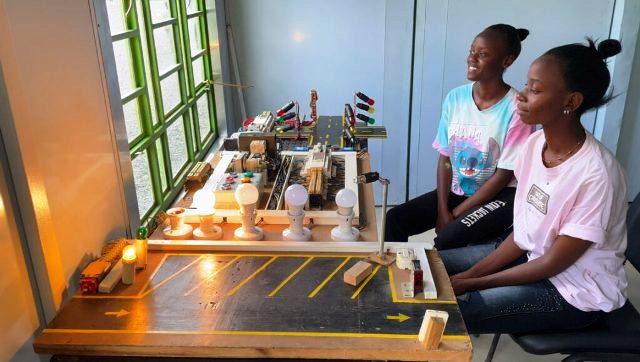
Vocational training: The organization has endeavored to support youth programs through skilled manpower. Initially the organization received tools through Aid the Need Kenya and Tools With a Mission (TWAM) in the fields of carpentry, metal work and electrical work. The organization is also working on establishment of an ICT centre to empower the youths in ICT.
Impacts of Vocational Training
Vocational training has far-reaching positive impacts on communities, contributing to individual empowerment, economic growth, and social cohesion. Below are some key impacts:
1. Economic Empowerment
- Job Creation: Equips individuals with skills to secure employment or start small businesses.
- Increased Income: Enhances earning potential, improving the standard of living.
- Economic Growth: Strengthens local economies by creating skilled labor that attracts businesses and investment.
2. Poverty Reduction
- Self-Sufficiency: Reduces reliance on aid by enabling individuals to support themselves and their families.
- Wealth Distribution: Helps bridge income inequality by offering opportunities to marginalized groups.
3. Community Development
- Local Industry Support: Trained individuals can contribute to or establish local industries, boosting the village economy.
- Infrastructure Growth: Creates demand for better facilities like workshops, training centers, and marketplaces.
4. Social Empowerment
- Youth Engagement: Keeps youth productive and away from negative influences like crime or substance abuse.
- Gender Equality: Empowers women by providing them with skills to participate equally in the workforce.
- Social Cohesion: Brings people together, fostering collaboration and a sense of community.
5. Education and Skill Development
- Improved Skill Levels: Enhances the overall skill base of the community.
- Lifelong Learning Culture: Encourages continuous learning and development.
- Career Opportunities: Opens doors to diverse career paths, including formal employment and entrepreneurship.
6. Health and Well-Being
- Better Living Standards: Higher incomes lead to better access to healthcare, nutrition, and housing.
- Mental Well-Being: A sense of purpose and achievement improves mental health.
7. Sustainability and Innovation
- Environmental Practices: Promotes sustainable methods, especially in sectors like agriculture and crafts.
- Innovation: Encourages creativity and problem-solving, leading to new products and solutions.
8. Reducing Rural-Urban Migration
- Local Opportunities: Provides viable livelihoods in rural areas, reducing the need to migrate to cities.
- Balanced Development: Contributes to the balanced growth of rural and urban areas.
9. Strengthened Community Resilience
- Adaptability: Prepares the community to adapt to economic changes or crises by diversifying skills.
- Disaster Recovery: Skilled individuals can contribute to rebuilding and recovery efforts.
10. Role Model Effect
- Inspiration: Successful trainees can inspire others, especially youth, to pursue skills training and personal growth.
JOIN OUR MISSION
VOLUNTEER, DONATE, ADVOCATE.
GET STARTED TODAY.
- Email : info@mcliannecbo.org
- Phone : 254-723530088